FM: The future of medicine
By Justinne Lou Go, RND
IT IS with great pleasure and excitement that I share with you my experience and learnings from a conference I recently attended in Manila. I have been looking forward to this conference since the beginning of this year as it is the first of its kind in the country. This was the Advancing Functional Medicine (AFM) Conference held at Enderun Tent, Enderun Colleges, McKinley Hill, Taguig City on November 16 and 17.

If you know me or have been following my column in this magazine, I have been mentioning Functional Medicine as often as I could, to try to introduce this perspective and approach to both the general public and fellow medical practitioners. This was the practice I was introduced to and came to love when I was based in Manila two years ago, because it just makes sense; perfect sense of what I was meant to do and why I do what I do.
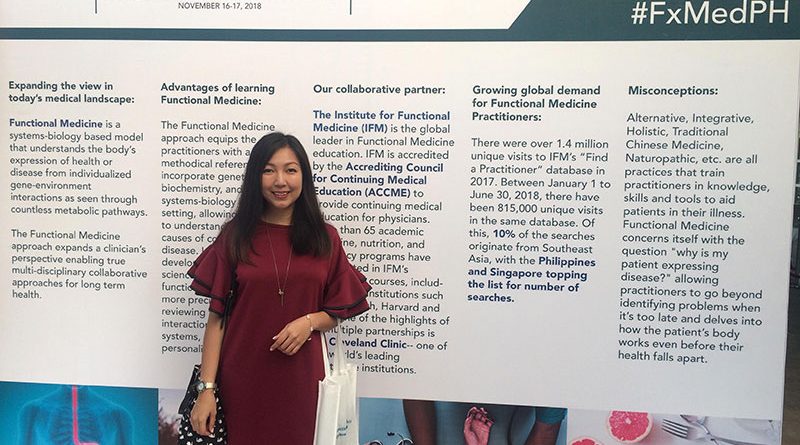
To give you a basic definition of Functional Medicine, it is a perspective or approach applied in one’s medical practice, which views the patient as a whole and aims to address the root causes of disease — lifestyle and environmental factors — in contrast to the symptoms- and drug-based approach of the 20th Century. This discipline was pioneered by Susan and Dr. Jeffrey Bland in 1991 after recognizing that today’s most prevalent health issues are mostly caused by the interactions between genetics, lifestyle choices, and environmental exposures, and that treating them requires understanding these interactions. And with that understanding, design appropriate treatments that are personalized to each individual. It has since been growing as a movement to make this practice the standard of care in our modern age. They founded IFM, a nonprofit foundation headquartered in Washington in the United States, dedicated to educating medical professionals on this approach through an intensive course called Applying Functional Medicine in Clinical Practice (AFMCP). This intensive course has only been offered in the U.S. and the closest it’s gotten to Asia is China. So, imagine, doctors in the Philippines who were interested in this practice had to fly out just to complete this course aside from attending online classes. That is why it was a great privilege to finally have an introduction of this course last month in the Philippines thanks to LifeScience Institute in partnership with IFM. And they are bringing AFMCP to the Philippines next year, so watch for it!
LifeScience Institute is the medical training and research arm of LifeScience Center for Health and Wellness, of which the latter was where I was previously employed in Manila. It is located at Bonifacio Global City, Taguig, Manila. LifeScience of the Romlas Health Group is among the first institutions in the country to offer Functional Medicine care.
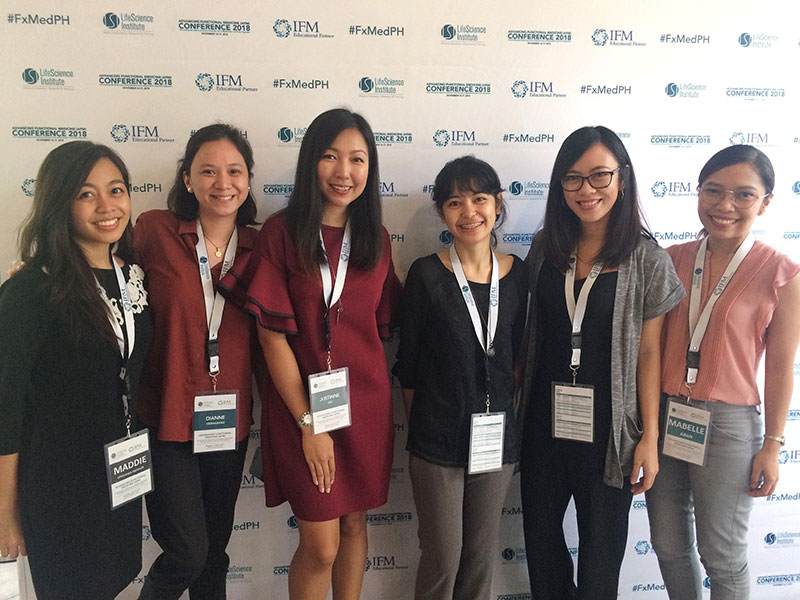
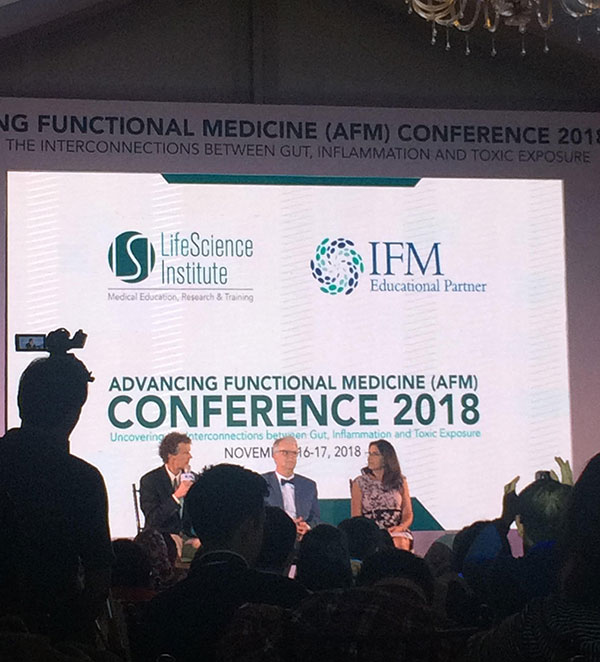
The two-day conference was an eye-opener to the need for a paradigm shift in the healthcare system for this modern age. It was graced with three keynote speakers from IFM itself — Dr. Lisa Portera-Perry, Dr. Robert Luby, and Dr. Michael Stone — who were all very eloquent and were very synchronized with their topics. The theme of the conference was, “Uncovering the Interconnections between Inflammation, The Gastrointestinal Tract and Toxic Exposure.” There were over 200 participants, composed of both local and international delegates, from a variety of specializations and fields in the medical industry. Albeit, only a handful of Nutritionist-Dietitians, but I am hoping this will grow in the next conferences now that AFM is here.

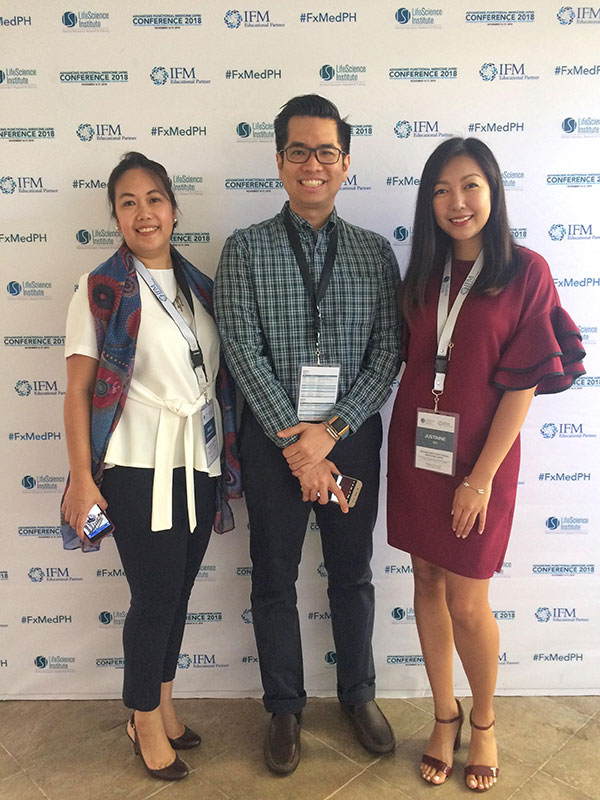
I will talk about more of my learnings from this conference in my next article, but essentially, Functional Medicine is the future of medicine and should be the standard of care hereon. It is a root cause-based approach which acknowledges that people who may present with the same symptoms will not necessarily respond to the same treatment similarly due to several lifestyle and environmental factors. Thus, the variations in these factors must be considered and should be the basis for a personalized protocol or management of one’s health. It also emphasizes on patient-practitioner partnership for achieving the patient’s health goals. It’s all about empowering patients to take charge of their health and believe that their bodies can heal itself with the right approach and management!
To try to state this in the most unbiased tone, the conference was the best I’ve attended, with very engaging speakers and program, impeccably nutritious yet delicious food, and it was organized in such a way that was so conducive for networking with fellow professionals. They definitely set the standard for how conferences—especially Nutrition conferences—should be like. It was a fulfilling and reaffirming journey for my career and so I am grateful to have participated. Congratulations to the LifeScience Institute team for an immensely successful event!
For more information about Functional Medicine, you may visit www.ifm.org.