The anti-inflammatory diet
By Justinne Lou Go, RND
FOOD can either be poison or medicine to our body. We learned in my previous article that a poor diet is one of the main contributors to the buildup of toxins in our body, and thus causing chronic inflammation, which is now known to lead to the development of chronic diseases. With that, eating is actually the most inflammatory thing we do every day and yet the most controllable factor as well. This is why food choices matter a lot.
For food to be medicine to our bodies, we need to make sure that we feed our bodies health-supporting food and not health-threatening foods. I’m pretty sure we all know what those health-threatening foods are but let me just share some details on why they are so and what anti-inflammatory foods we can incorporate in our diet to combat the daily attack to our bodies’ immune system.
All natural food contain nutrients that we need but there are several food groups in particular that are known to be superior in nutritional content than others. These are the foods that contain antioxidants, important minerals and powerful compounds (phytonutrients) that fight inflammation — fresh fruits and vegetables, herbs and spices, oily fish and nuts and seeds. Since chronic inflammation is caused by the buildup of toxins in our bodies, an anti-inflammatory diet would emphasize on the aforementioned therapeutic food groups, which naturally support the detox capacity of our bodies.
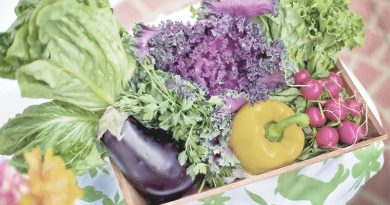
As I’ve always been emphasizing in previous articles, fruits and vegetables are the best foods we can eat because they contain most of the nutrients we need. There are certain vegetable groups that have exceptional qualities that are beneficial especially to people who are prone to toxic exposure and even those with high risk of developing autoimmune conditions from heredity. These particular vegetable groups are the cruciferous vegetables and allium vegetables.
The cruciferous vegetables are broccoli, cauliflower, bokchoy and cabbage. Allium vegetables are garlic and onions; that includes spring onions! For fruits, it’s best to emphasize on apples, citrus fruits, berries, and deeply pigmented fruits such as red dragonfruit, pomegranate and black grapes.
If you can observe from the lists, most of the foods we need to eat more are found in the Mediterranean Diet, which is the only diet that is most recommended by studies. This is because the Mediterranean Diet contains plenty of fresh fruits and vegetables, little to no red meat, an abundance of omega-3 fats (from oily fish, nuts and seeds), and definitely no chemicals or additives. Some of the food in the Mediterranean Diet may not be as available or accessible to us Filipinos, but we still have an abundant variety of anti-inflammatory food such as herbs (e.g. lemongrass, ginger, turmeric, etc.), spices, healthy fat from fish and antioxidant-rich fruits and vegetables.
The reason refined starches, sugars, deep-fried food and highly processed food are our bodies’ greatest enemies is because these contain loads of toxic chemicals from the additives and preservatives that have been used to enhance the food products, both in shelf life and palatability. Studies have shown these additives and preservatives to be carcinogenic (cancer-promoting), causing hormonal imbalances and may even promote abdominal adiposity.
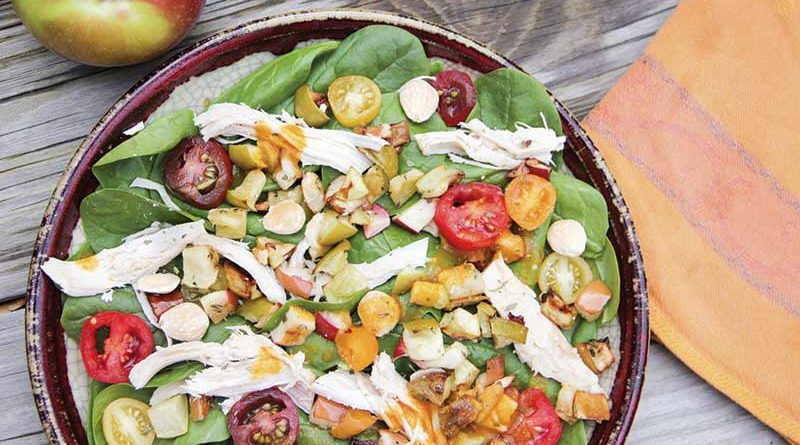
Basically, an anti-inflammatory diet is one that veers away from processed food and emphasizes on real, natural, wholesome food. Isn’t that how we really should be eating anyway? We must refuse to encourage the promotion of an inflammatory diet with our food choices. The more people will look for whole, real food, the more this will be available as the market is dictated by the consumer demands.
Aside from eating a health-promoting diet by filling up on anti-inflammatory foods that prevent the development of lifestyle diseases, studies have shown that an anti-inflammatory diet promotes brain and emotional health as well. Furthermore, weight loss has been observed as an unintended benefit from this diet quality. The weight loss definitely contributes to the prevention of developing chronic diseases and boosting self-confidence. Knowing these facts, it’s now a matter of making sure to include these healthful foods to your daily diet.