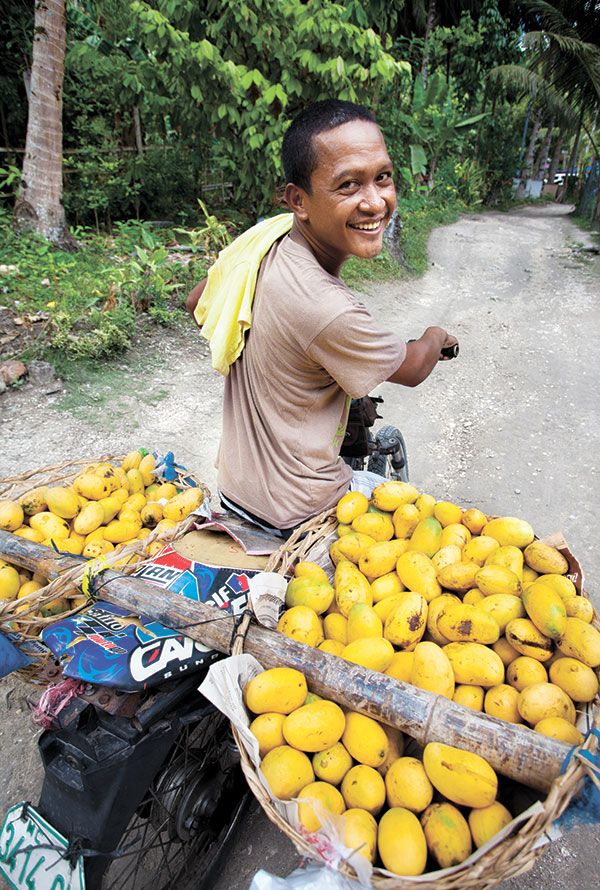
An eye for photography
 Albert Pedrosa
Photo mania
I’VE been teaching photography for quite some time now. I’ve seen those who can afford gadgets as though they’re just buying a new shirt. And then there are those who are more interested in camera specs and what’s hot on the market than actually spending time using it. There are those who are overly excited to learn and, of course, those who have a gift: an eye for photography.
I mostly teach basic photography, so I’m more exposed to those who are new to it. I’ve seen those who have the will to learn and would do anything to make their shot look better than the last. What really intrigues me are the naturally talented people who are hardwired to see things differently.
I’ve trained hundreds of photographers, and one of the essential requirements for you to go further in this type of art is to know what looks bad and what looks good. Simple, right? If you know your shots are bad, you will try to keep looking for the good ones.
Although it is not yet the end of the line for you if you fail this requisite, I can only predict that you’ll have a long and challenging climb ahead. I have seen some of my students who are rusty in the beginning and seem to look hopeless. Now they’ve created a name in the industry.
Every photographer will always have his own take on a particular scene. However, some photographers would hide from the idea that as long as it looks good for you, that’s your take or art. I believe that listening to critics and becoming your own number one critic is essential to developing yourself into someone capable of telling a good photo from a bad one.
It is understandable to see some newbie photographers who critique a photo down to the last pixel. For instance, the photo may be a few angles off and the subject is in the wrong position. Sometimes it’s annoying and irritating but by doing this, you are training yourself to see the little things. Know that an image is composed of small details rolled into one.
This is just another stage that you’ll have to pass through. At some point, you’ll ease up on the details and focus on the emotions and the story of the shot. You will be developing techniques and skills you’ve never even thought of when you started photography. You just have to keep on doing it until you get it right.
Keep on shooting, everyone!
photomania.sunstar@gmail.com / www.grp.ph