Of wheels and tires
 Atty. Jerome G. Neri
The Scrutineer
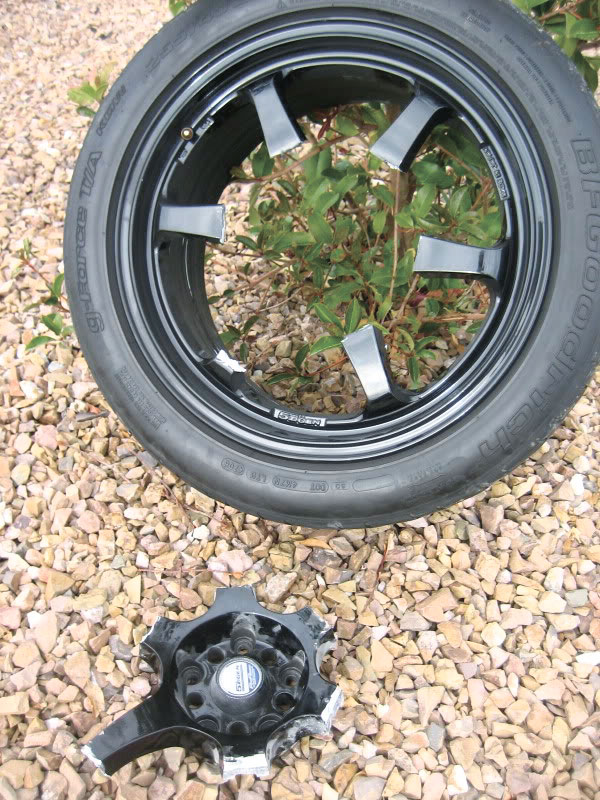
BEWARE of fake wheels. I have seen advertisements on some social networks and some classified pages online of aftermarket wheels that are exact copies of expensive originals. I have also seen these copies being used by motorists who are just after the look and say that they do not care about the difference of a few grams in weight between the original and copies.
The thing is weight is not the only difference, the quality and strength is not the same: these wheels can be a hazard to the owner, other motorists and the public in general. Light weight wheels use very little material — they are strong and durable because they are made out of forged aluminum, while the fake ones are made of cast aluminum.
The reason that the manufacturers of these lightweight wheels, such as Volk Racing, Prodrive, BBS and Advan, use forged aluminum is because they need as little material as possible to keep the weight down, and therefore need stronger materials. These wheel designs were not meant for cast aluminum as it will be not strong enough and will be prone to failure.
When a wheel fails, this could lead to an accident that might ruin your car, injure you, and even other people. The low cost is not worth the risk.
FIRST MOD. Chassis stiffeners and braces most of the time are a waste of money. Ironically I have seen people buy these as their first mod to improve handling. Most of the time there is no use for it. Being relatively low priced, there is an impression that it is a good bang for your buck accessory.
In order for the chassis to have enough deflection that these chassis stiffeners and braces prevent, the car must have a very powerful motor and/or aggressive coilovers, pillowball and/or polyurethane bushings and very sticky tires.
A very powerful engine can make the chassis deflect due to its high torque, while shock absorbers, bushings and tires when not aggressive enough will give before the chassis can deflect redering the stiffener/brace useless.
HOW TO IMPROVE HANDLING. If you want to improve the handling for your car, start with tires with more grip. A tire that is wider and constructed with a softer compound will massively improve grip.
Next would be the bushings. Stiffer bushings mean less bushing deflection and therefore more accurate suspension and steering geometry.
Then, replace the shocks with a firmer sport suspension package or going all the way with coilovers. Firm shock absorbers and springs or coilovers will make the car more responsive to driver inputs as the delay it takes the stock shock absorber to compress is significantly lessened and therefore the driver input is tranferred to the road much faster.
Last in the order will be the chassis stiffeners and braces. These are installed when you still want even more response. But if the car becomes too stiff that it puts so much force on the tires, the tires would go over their adhesion capabilities, and therefore lose grip and deteriorates the handling. So, there is a limit on how stiff you want your car to be, and the limiting factor is the tires you choose to use.
TREADWEAR RATING. In choosing a tire, one good indication as to how much grip it has is the treadwear rating. This is found on the wall of your tire. The lower the treadwear, the softer the compound, which means more grip but wears out faster.
Racing slick and semi-slick tires have a treadwear rating of about 80-100. These tires are not recommended for highway and road use. The lowest treadwear rating tire that I have seen that is still suitable for road use is 140. Wear rate is still pretty high, especially considering that the normal performance tires have a treadwear rating of 400.
If you have a high performance car like an EVO, I would recommend a 140 treadwear tire. For a normal daily driver, around 300 treadwear would be perfect.